Release notes
Social media monitoring for TikTok

Mark Barber February 11, 2026
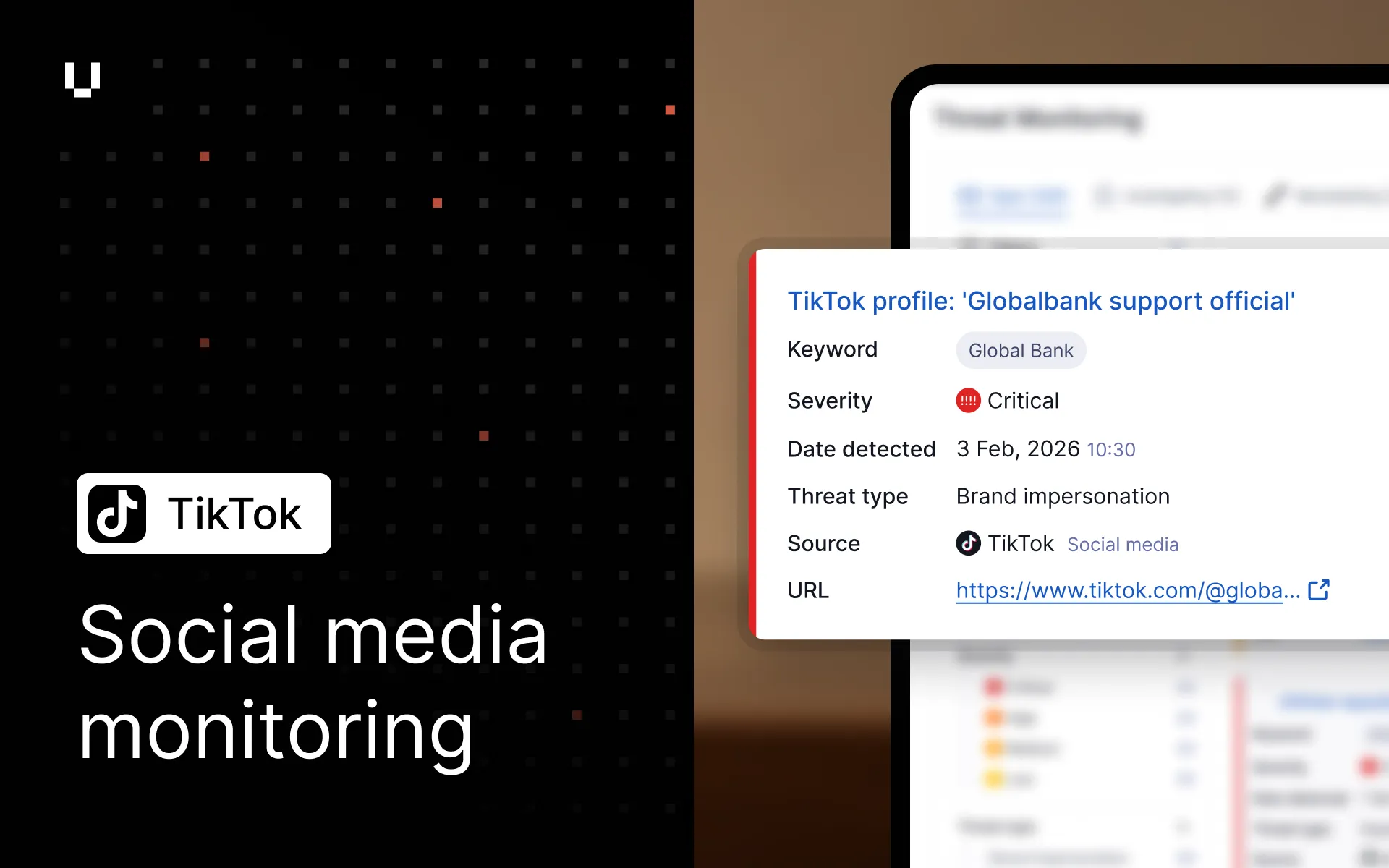
We’ve expanded Social Media Threat Monitoring to include TikTok, adding brand impersonation detection on a rapidly growing social platform. Combined with existing coverage for Facebook, Instagram and X, this helps customers better identify impersonation and disinformation risks and strengthen protection against brand misuse across social media.
Threat Monitoring exports now respect active UI filters, allowing users to export only the threats in their current view. This ensures exported reports accurately reflect the subset of threats under investigation and removes the need for manual post-export filtering.
We have introduced white labeling for Trust Exchange paid customers. This update removes the UpGuard logo and account creation link from published Trust Centers, allowing organizations to communicate their security posture on a portal that looks and feels like their own.
We have released APIs to access detailed information on security questionnaires. Users can now integrate questionnaire metadata (like completion percentage), questions, answers, and comments into their internal systems, enabling further automation and custom reporting workflows for vendor assessments.
In preparation for release on the new Vendor Onboarding Portal feature (currently in beta), we have renamed the existing “Relationship questionnaire” feature to “Onboarding requests” to better reflect their primary use case.
The Vendor Onboarding portal gives eligible organizations a dedicated web form where business users can proactively submit vendor assessment requests, in addition to the existing functionality which allows you to send outbound requests. To learn more see Vendor onboarding portal overview and talk to your UpGuard representative to find out how to join the beta program.