Solving CISOs’ Toughest Security Challenges with CRPM
.jpeg)

What do all CISOs (chief information security officers) have in common today? They’re facing a barrage of formidable challenges.
- 87% of organizations reported an AI-driven attack in the last year.
- 68% of data breaches in 2024 are attributed to human error.
- 4.8 million cybersecurity roles remain unfilled, as global skill gaps widen.
Many security teams are reaching they’re breaking point, and it’s no surprise they are. Dealing with a constant flood of signals, lagging response times, and growing cracks for exploitation, isn't easy. Resources are stretched thin, and there’s no room for streamlining operations.
In this article, the latest instalment in our CRPM series, we explore the tangible outcomes of solving your most pressing day-to-day challenges. We look at the current pain points plaguing teams worldwide and how our unified CRPM platform works to help you solve them..
CRPM vs CISO’s toughest challenges
You already know that AI-driven attacks are rising, that human risk is higher than ever, and that regulatory compliance goalposts keep moving. CISOs are contending with an overload of noise, a lack of clarity, delayed responsiveness, verification gaps, and too many dashboards to make sense of.
You don’t need another to add to your stack, but a single source of truth. The UpGuard CRPM platform provides precisely that. It is the solution you can leverage to safeguard your organization, eliminate menial administrative tasks, and refocus on building a “security-first” environment.
Seeing past the signal fog
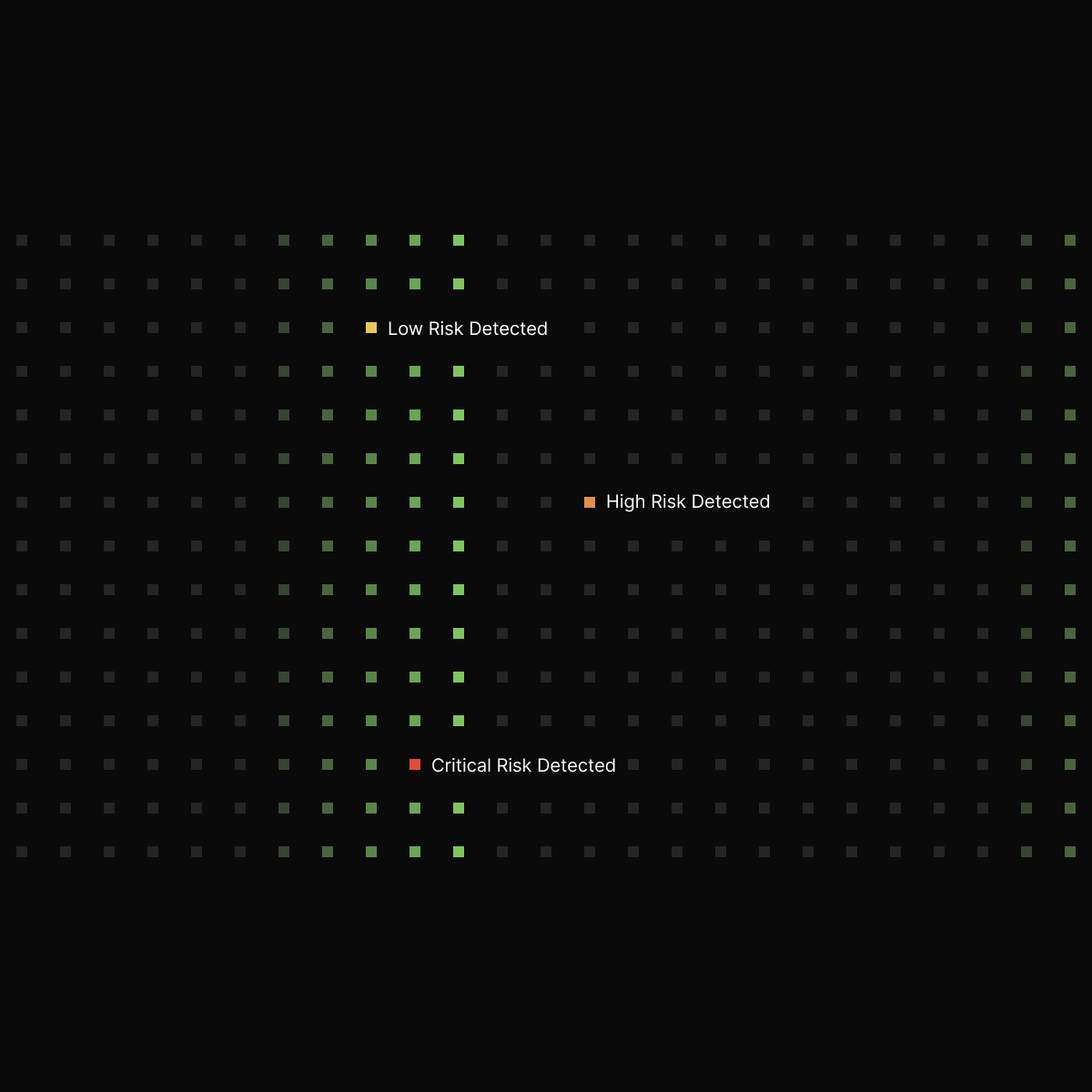
With an average of 4,484 threats received daily, many CISOs find it impossible to clearly understand their risks. The fluidity of the threat landscape complicates this further.
Take the CISO of a large FMCG (fast-moving consumer goods) distributor. She stares at her dashboard and the lengthy post-mortem report in front of her. Her team uses a dozen disconnected tools to monitor their expanding digital ecosystem, but something has been clearly missed because they recently suffered an expensive data breach.
A single red dot flashed, a critical alert about a new vulnerability, and it wasn’t caught in time. She must explain to the board how they lost sensitive data before they knew they were under attack.
This all-too-familiar scenario results from alert fatigue and a lack of context, where teams drown in information with no clear actionable insights. While multiple tools may seemingly cover all your bases, they do not account for the spaces in between that let attackers through before you can deploy a patch.
Fortunately, our CRPM platform tackles this challenge head-on. Powered by compounding intelligence technology, we can help you move from hundreds of flickering lights to a clear view of your most critical risks. UpGuard lets you see the unseen and turn a constant stream of alerts into data-driven decisions.
Acting in seconds, not days
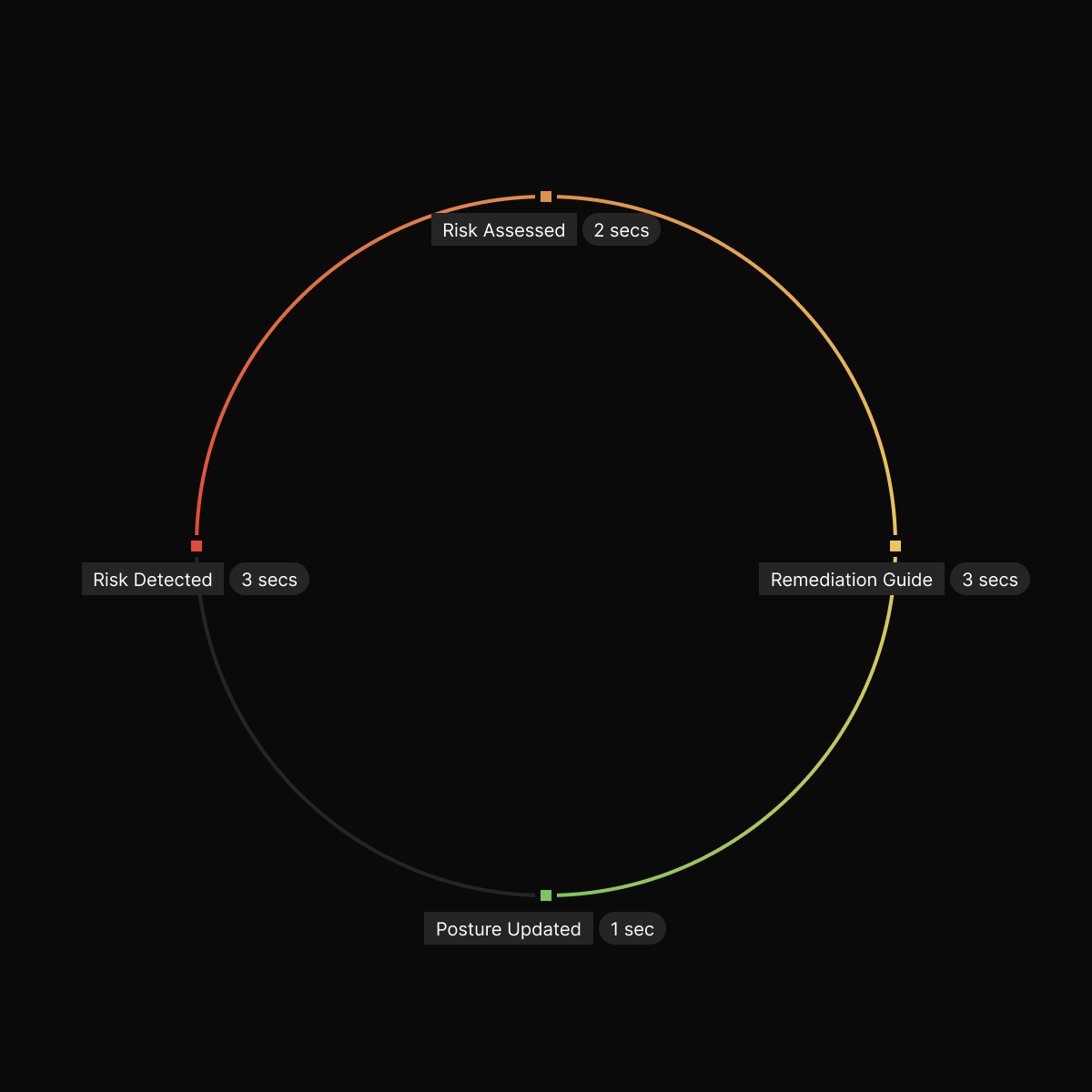
The wider the gaps between risk detection, identification, and treatment, the harder it is to secure your organization effectively.
Let’s visit another CISO, who heads up the IS team at a fast-growing SaaS tech company. The company is projected to hit all its financial targets this year, but has held back on hiring more personnel, leaving its team stretched thin.
An employee from another department receives a phishing email and reports it to IS. But by the time the IS team gets to the logged ticket, several accounts have already been compromised, with sensitive information being taken and sold on the dark web.
This is the main issue of detection latency. By the time threats are investigated, the attacks have already occurred. Lean teams battle signal fog, manual correlation between data, and attending to what seems like higher-priority issues rather than acting on enterprise-level threats.
Our CRPM platform’s AI-powered workflows provide real-time insights and a zero-grunt work approach. The team can automatically identify and prioritize risks. This enables you to act in seconds rather than days, reducing the window of opportunity for threat actors to attack and minimizing potential financial and reputational damage.
Maintaining always-on compliance
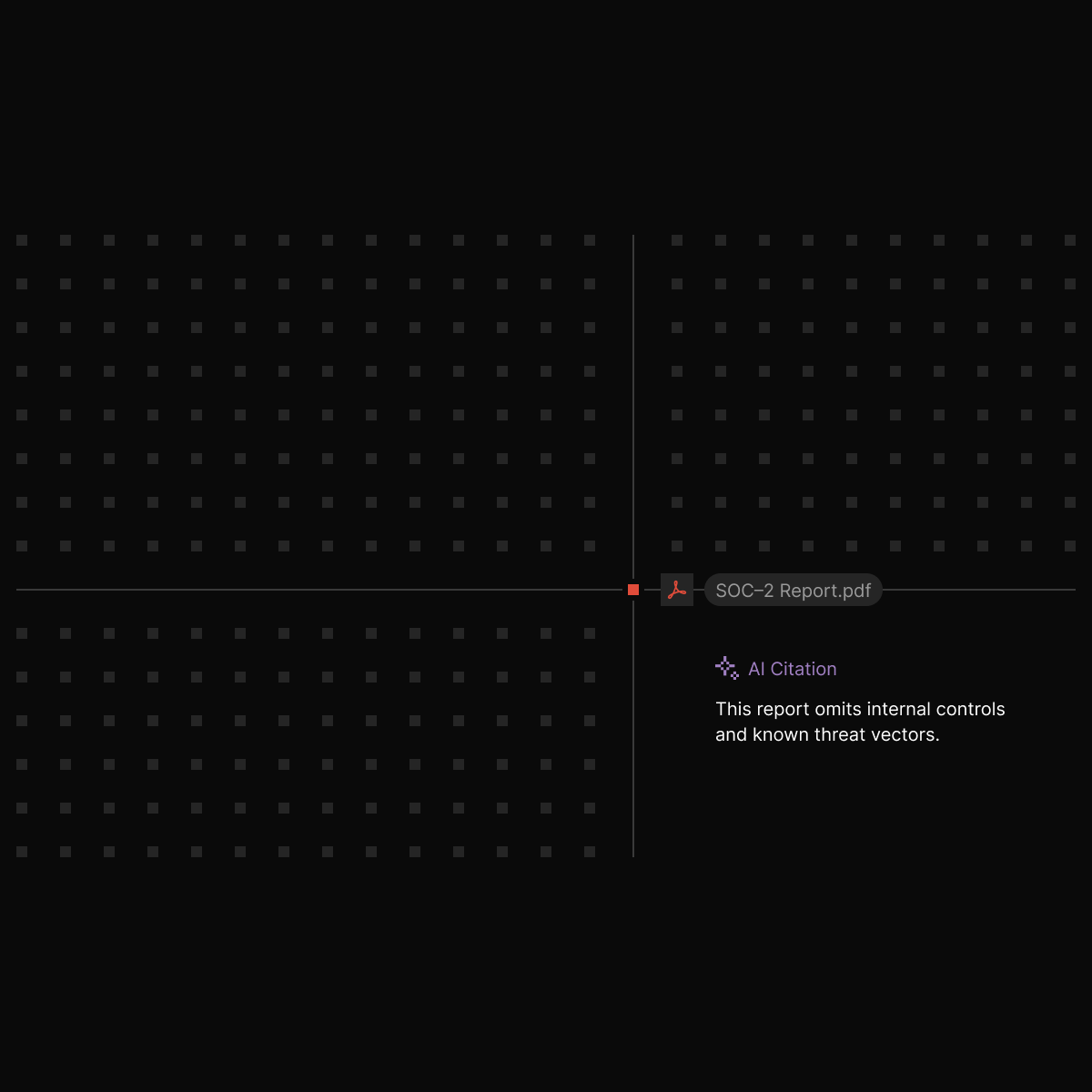
Point-in-time audits provide a false sense of security. It leaves your security posture unverified for, on average, 168 days before a breach is detected.
Another CISO is the IS team lead at a highly acclaimed healthcare organization. He understands, more than anyone, the sensitive nature of the information they work with and the need to protect it from leaks.
The team has happily passed their annual HIPAA audit, but he grows more concerned by the day because of how aggressive cybersecurity attacks are becoming. He knows their security posture is ever-changing, and a breach could happen at any point. Their compliance reporting is already outdated when it lands on his desk.
The current “snapshots in time” approach is ultimately stale compliance, but you can achieve continuous assurance with a unified CRPM platform. Always-on monitoring flags control lapses as they happen, making sure you are audit-ready daily. This shifts your organization from a reactive mindset to a proactive state with a verifiable security posture.
Connecting the dots
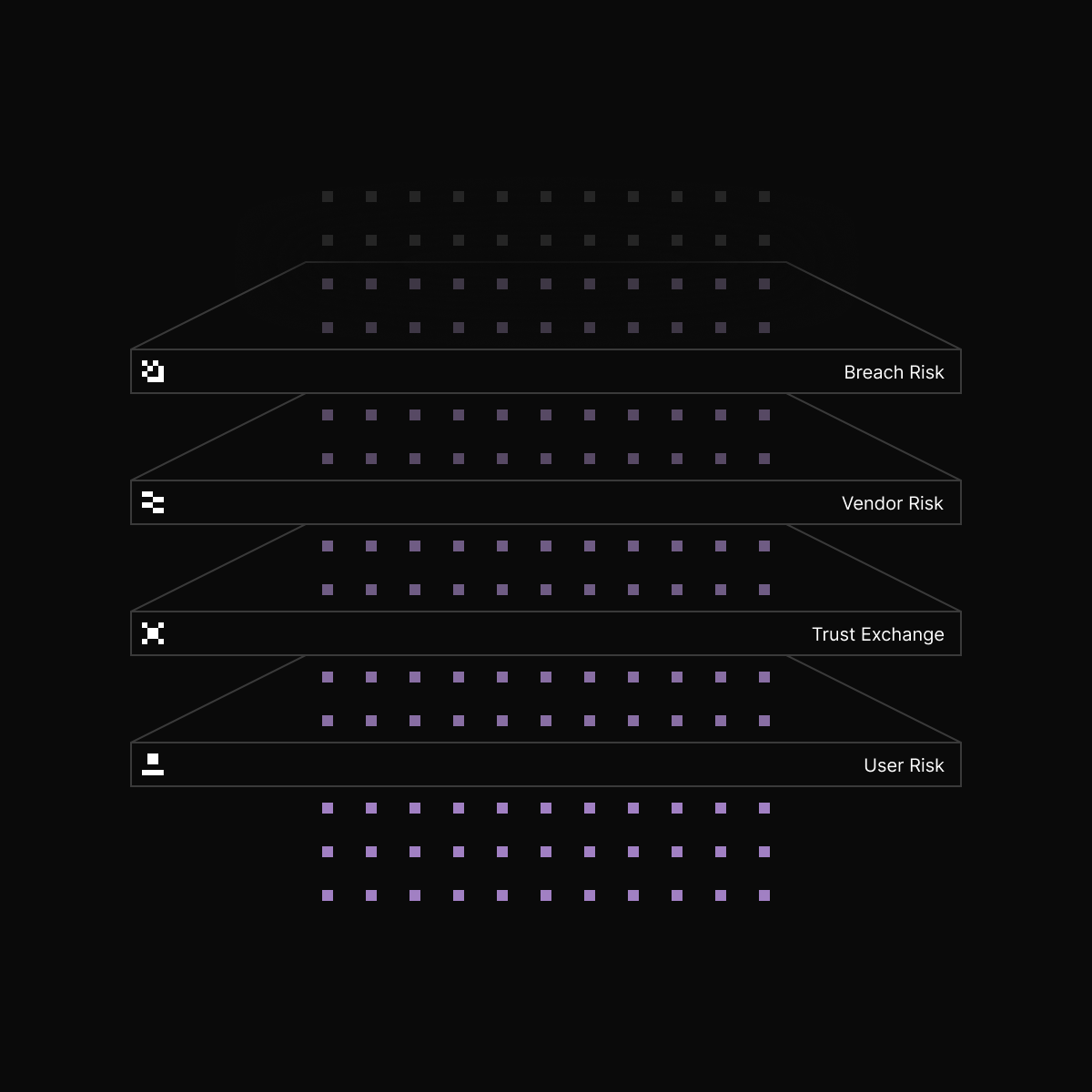
The average enterprise is juggling 83 different security tools. CISOs are grappling with connecting dots in the dark because clarity and context are at an all-time low in this current threat landscape.
Teams are working from a reactive position, manually sifting through data scattered across a dozen dashboards, leaving CISOs wondering if they are even getting their money’s worth out of them. This familiar reality only results in inefficiencies and chaotic workflows.
But with a consolidated platform, you can see how all the pieces fit together. Every data point becomes more valuable than it would be on its own. The CRPM platform technology, the GRID, provides meaning and reason to each connection. This creates the 1+1>2 effect, transforming raw data into actionable insights.
Let’s recap: To read more about how intelligent technology works, check out our previous article, Compounding Intelligence: The GRID and the ‘1+1>2’ Effect in CRPM.
Doing more with less
The overwhelming volume of alerts itself is a significant issue. Coupled with endless responsibilities and a fluctuating landscape, it’s no wonder that 98% of security professionals are reportedly working beyond their contract hours or that the average CISO is clocking in an additional nine hours per week.
For example, another CISO at a large consultancy firm is facing a hiring freeze. His burnt-out team struggles to keep up with threats posed by rapidly evolving AI-driven attacks.
They spend most of their time generating report after report, chasing down vendors from whom they cannot get a straight answer, and manually triaging alerts. The CISO knows the team would benefit from a break in manual grunt work, but that would cease operations and be an expensive misstep. He does not know how to improve the situation or relieve the economic pressure on the organization.
CISOs are fending off the constant pressure to do more with less, but also to do so efficiently. It can be hard to figure out what your next move should be, especially when all it feels like your team does is put out fires. These reactive, repetitive, low-value security tasks drain your resources.
Our CRPM platform relies on AI workflows to relieve this pressure. Specific tasks like ticket creation are sped up, vendor follow-ups are automated, and instant risk assessments give you clarity in seconds.
CRPM: A new way to think about your cyber risk
CISOs today are facing unprecedented change with increased risk. Each vulnerability threatens the entire organization. To solve this, you need a solution to manage risk and deliver quantifiable results that prove your posture. One that helps you see the unseen, act in seconds, continuously assures you, compounds intelligence, and relieves your economic strain with a zero-grunt work approach.
Our platform does just that by focusing on three core principles key to your enterprise value:
- Risk reduction: CRPM closes the gaps between detection and action, enabling you to act in seconds instead of days.
- Compliance efficiency: CRPM automates evidence gathering for posture verification, which saves your team countless hours.
- Audit defensibility: CRPM presents real-time scoring with historical records for greater context, so you can show auditors what your posture looked like one second ago and precisely what you did about it.
Our CRPM platform’s capabilities translate into direct, measurable business outcomes for the average CISO—because it is a sustainable, strategic solution to safeguard your organization today.
Related posts
Introducing UpGuard's Unified CRPM Platform

.jpg)